


So, How Much Do You Make?
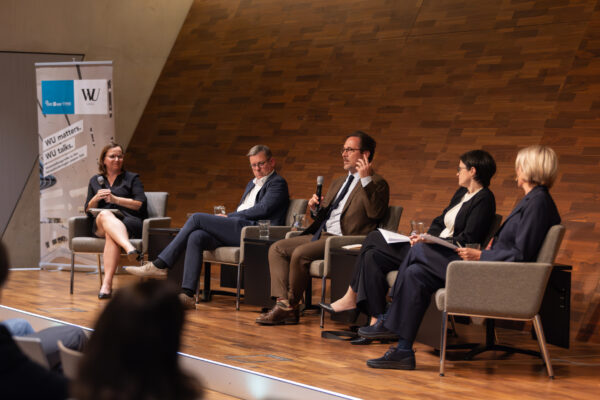
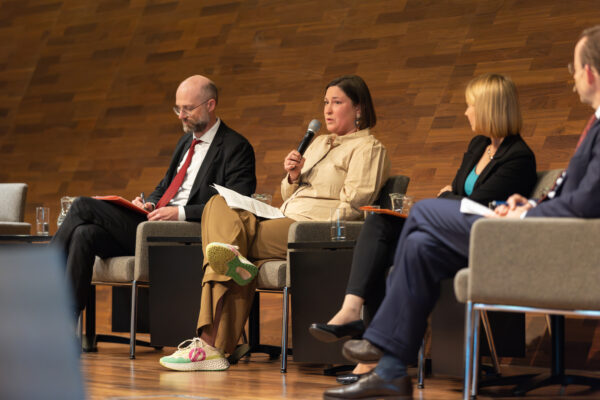
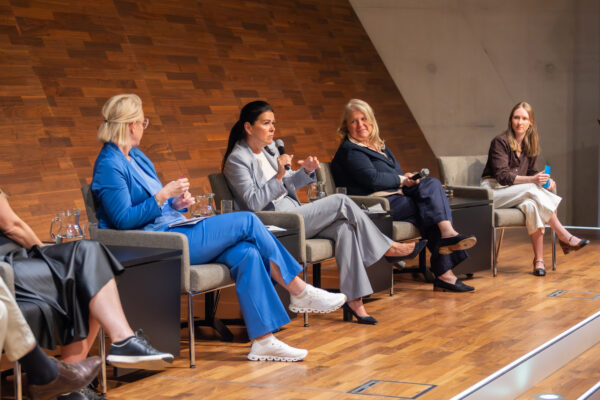
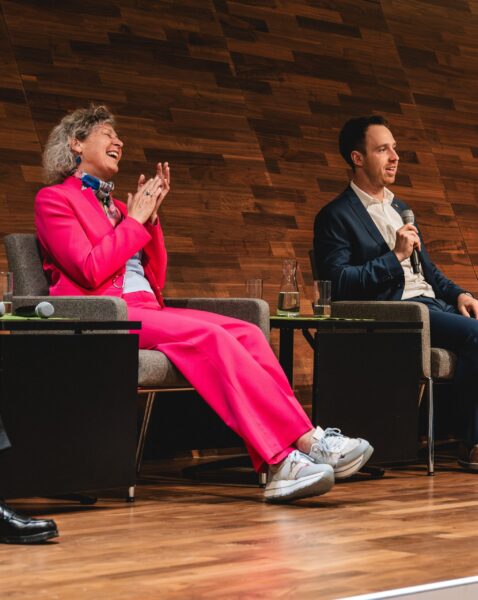
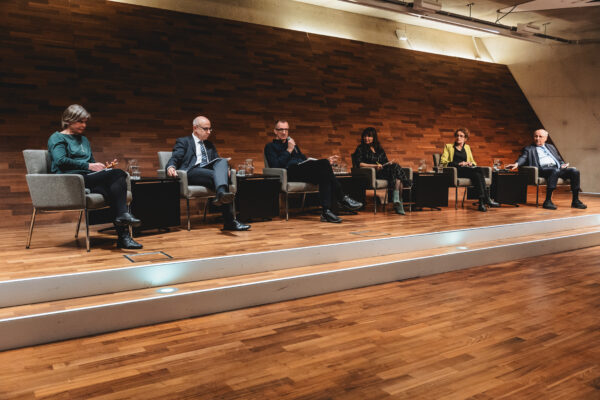
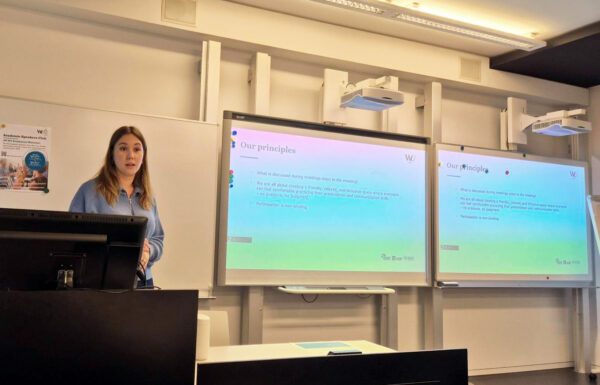
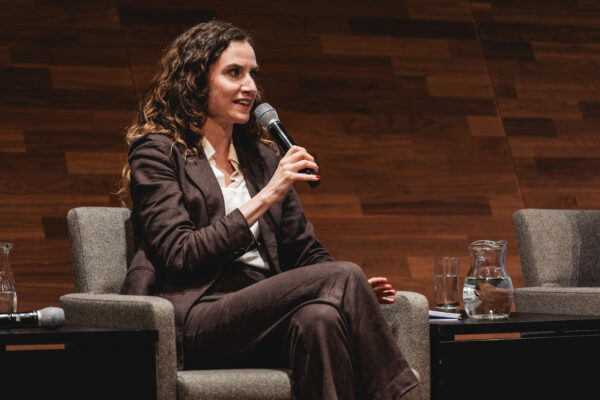
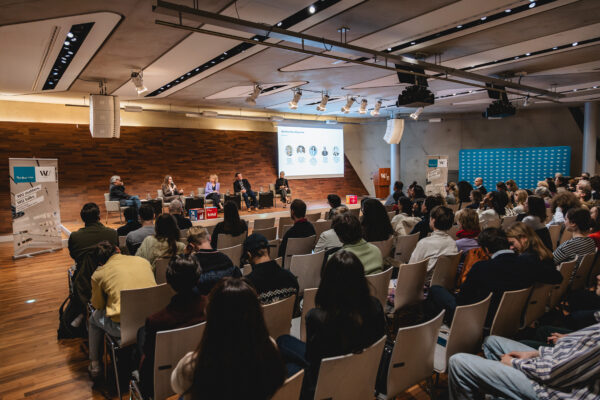
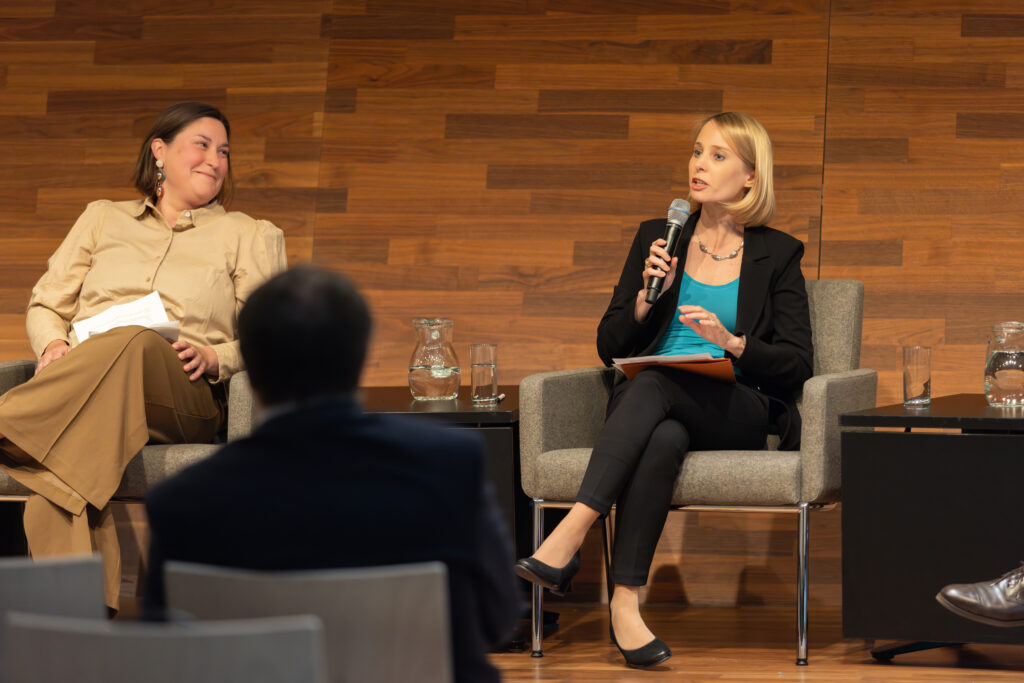
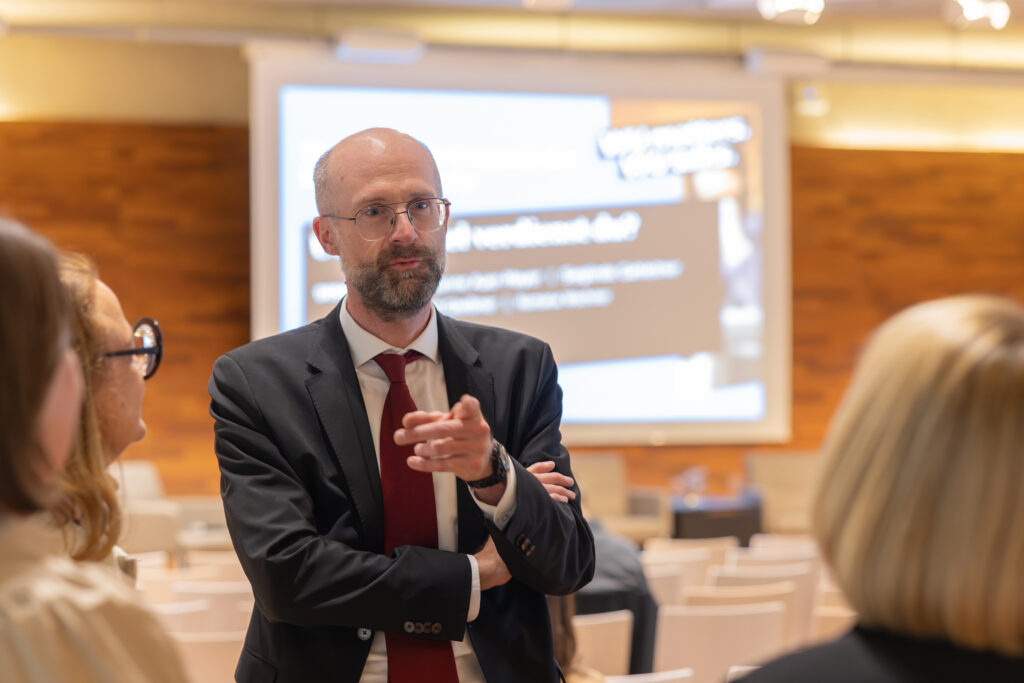
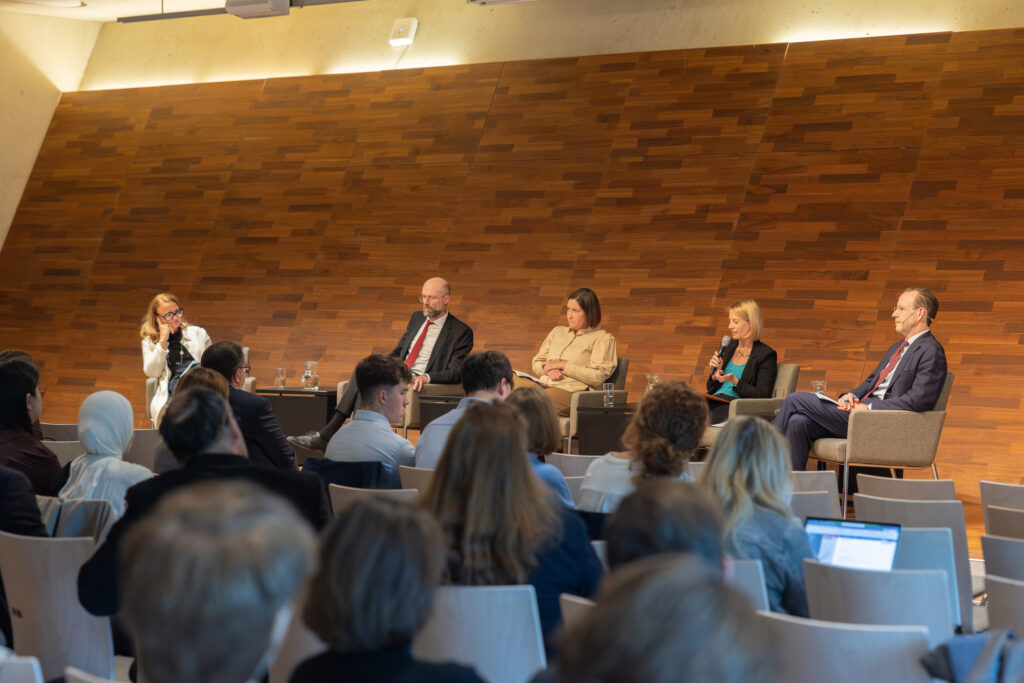
This question arose at the recent “WU matters. WU talks.” event, where experts discussed whether pay transparency is the key to greater pay equity or whether it creates new conflicts. Susanne Auer-Mayer, professor of labor and social law at WU Vienna, Sieglinde Gahleitner, attorney and honorary professor, Rolf Gleißner from the WKO, and Romana Wochner from the AK Vienna participated in the discussion. Note: The audience couldn’t stay silent on this topic either.
It has been illegal for decades, and yet it still happens. Women in Austria earn on average 17.6 percent less than men. And yet, question after question arises: What lies behind this gap? Is it perhaps even possible to close it?
What Does the Pay Transparency Directive Achieve?
The EU Pay Transparency Directive is actually due to be implemented by June 7, 2026—a deadline that Austria, like almost all EU member states, has not yet met. The directive introduces transparency requirements (prohibitions on non-disclosure, disclosure of average pay for the reference group, etc.) and stronger enforcement.
“I fear that expectations for the directive are simply too high…”
Susanne Auer-Mayer, Professor of Labor and Social Law, Vienna University of Economics and Business
But who actually belongs in the same reference group? Are all professors at a university comparable? Ultimately, this determines whether a pay gap is discriminatory or not.
83% want transparency. 51% do not want their colleagues to know their salary.
Instagram followers of the official WU account were surveyed live: 83% believe that salary transparency can contribute to pay equity. But when asked, “Do you want your colleagues to know your salary?” 51% answered no. This once again reflects the whole dilemma of this rather complicated issue.
“It’s beating around the bush.”
Sieglinde Gahleitner, attorney and honorary professor, WU Vienna
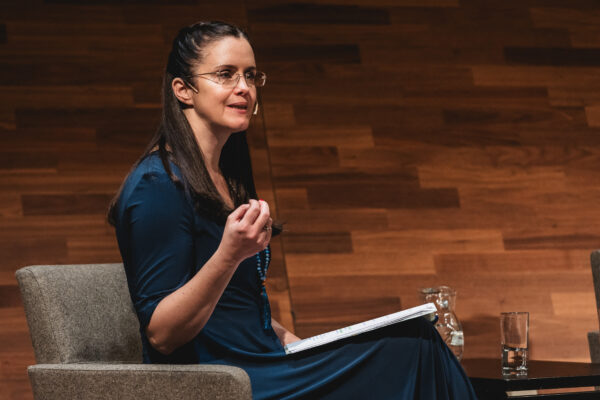
Sieglinde Gahleitner, who herself handles equal treatment cases as an attorney, said the directive is a “dance around the hot potato.” Instead of genuine disclosure, there are reports with average figures by group; and these are hardly useful in individual cases. From her experience in litigation: When things get serious, the employer has to disclose what the comparators earn anyway. The so-called “white elephants”—that is, employees who were eventually moved to less relevant positions but retained their high salaries—will no longer exist in the future because they immediately stand out in comparison groups and must be justified.
The audience weighs in
Rolf Gleißner from the WKO made no secret of the fact that the business community is not happy with the directive. “Equal pay for work of equal value”—Rolf Gleißner does not question that. But implementation, he says, is enormously costly.
“You can’t just let that stand!”
Gleißner’s remarks were met with sharp criticism from the audience: “It’s not just about the adjusted gender pay gap, but also the unadjusted one. And that’s one of the highest in the EU.” Why do women dominate low-paying industries? Why are top positions still held by men? You can’t argue that away.
A member of the audience who has been working full-time on the directive for over three years also spoke up: Countless companies are proactively working to implement the directive correctly, investing resources in it, and yet are left in the dark. “These delaying tactics in the name of the economy are harming precisely these companies.”
Curious? Watch the entire discussion here:
Even better? Just come to the next event and join the conversation!
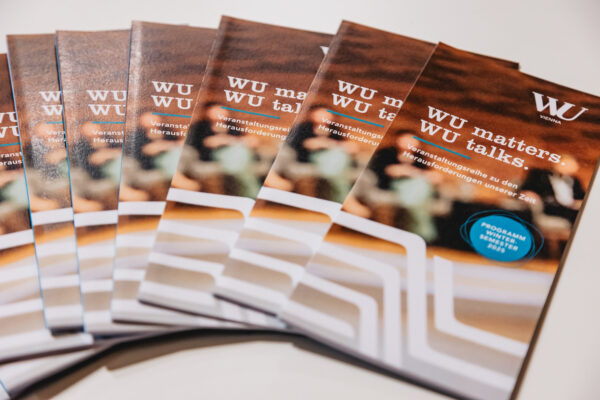
In the regular “WU matters. WU talks.” panel discussions, forums, and lectures, researchers and experts from the business and institutional sectors share their expertise and discuss current topics with the interested public. Sign up for the newsletter here so you never miss out on the latest topics!
In the next WU matters. WU talks: AI—a controversial topic!
AI writes texts, answers questions, and takes on cognitive tasks. So why do we actually still need education? Experts will discuss this at the next edition of “WU matters. WU talks.”
- May 20
- 6:30 PM
- LC Ballroom 1 & Livestream
Discussion:
Christoph Wiederkehr, Federal Minister of Education
Anita Eichinger, Director of the Vienna Library
Marie-Christine Kainz, Student and Vice Chair of the ÖH WU
Alexander Mädche, Professor of Business Informatics, Karlsruhe Institute of Technology (KIT)
Moderator:
Thomas Grisold, WU Vienna, Professor