


A shortage of skilled workers, yet no opportunities on the job market?
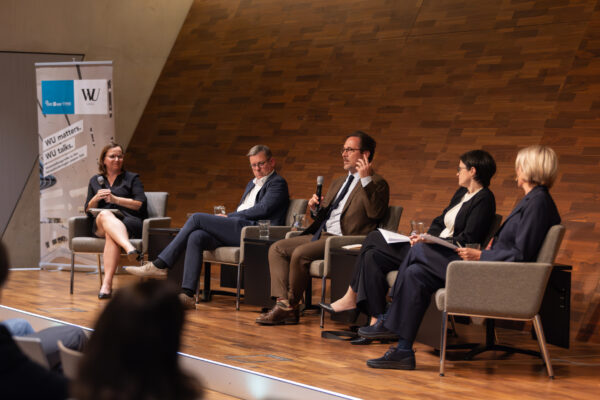
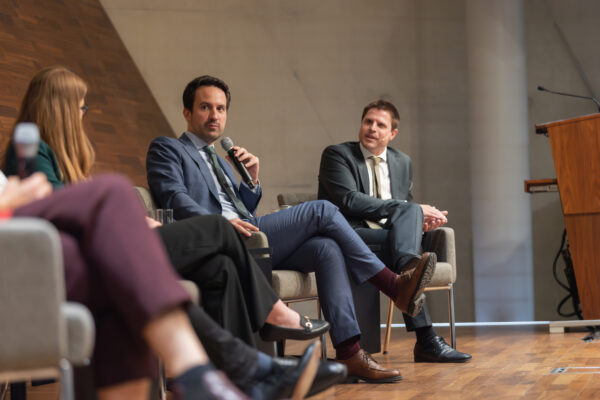
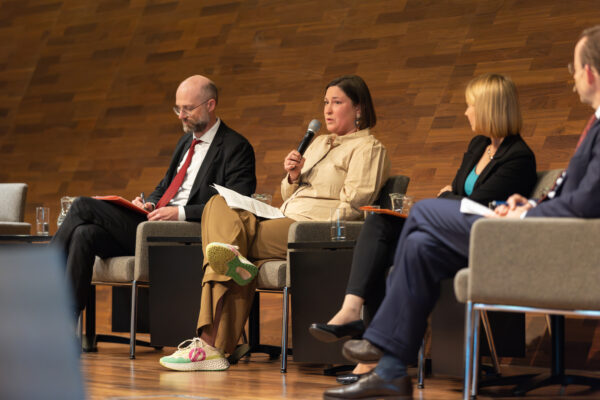
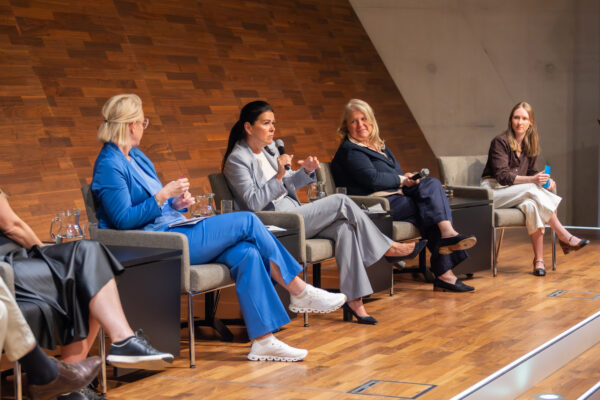
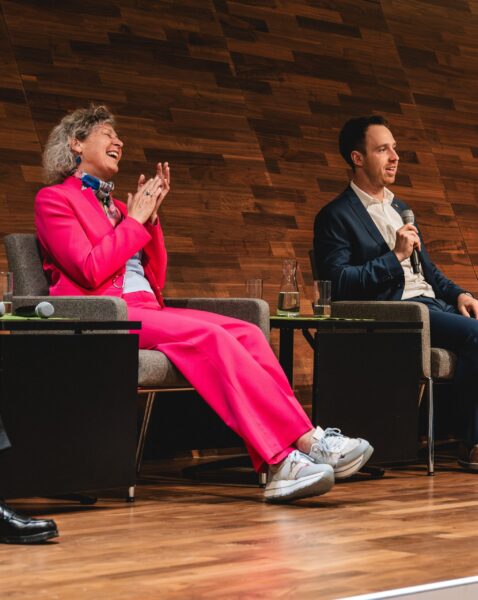
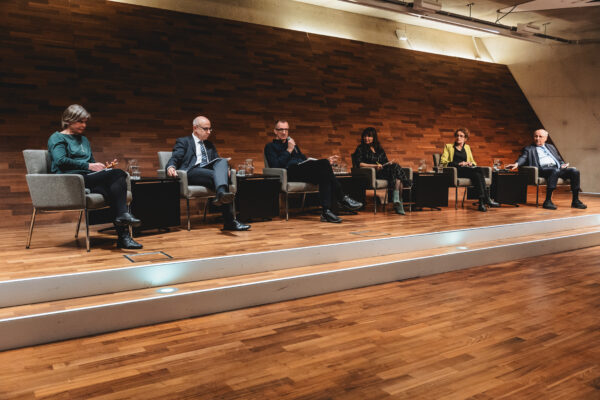
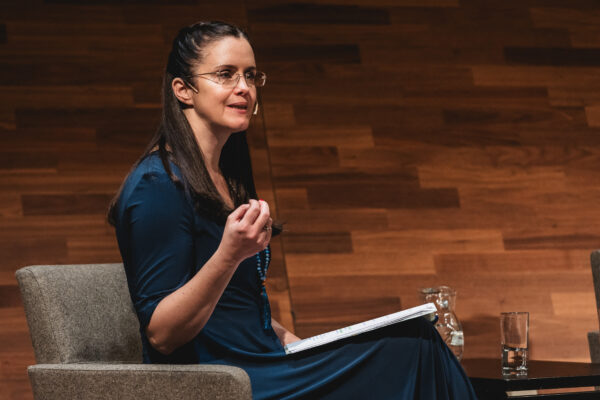
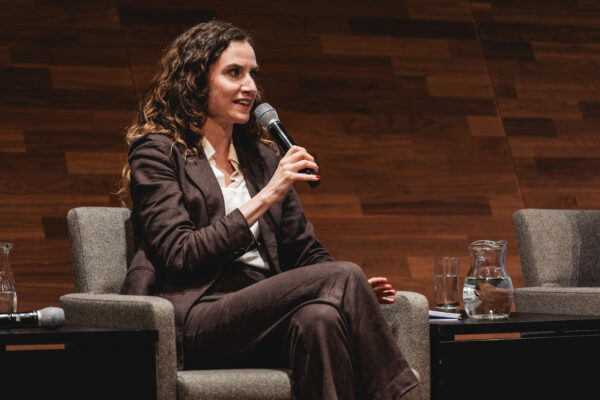
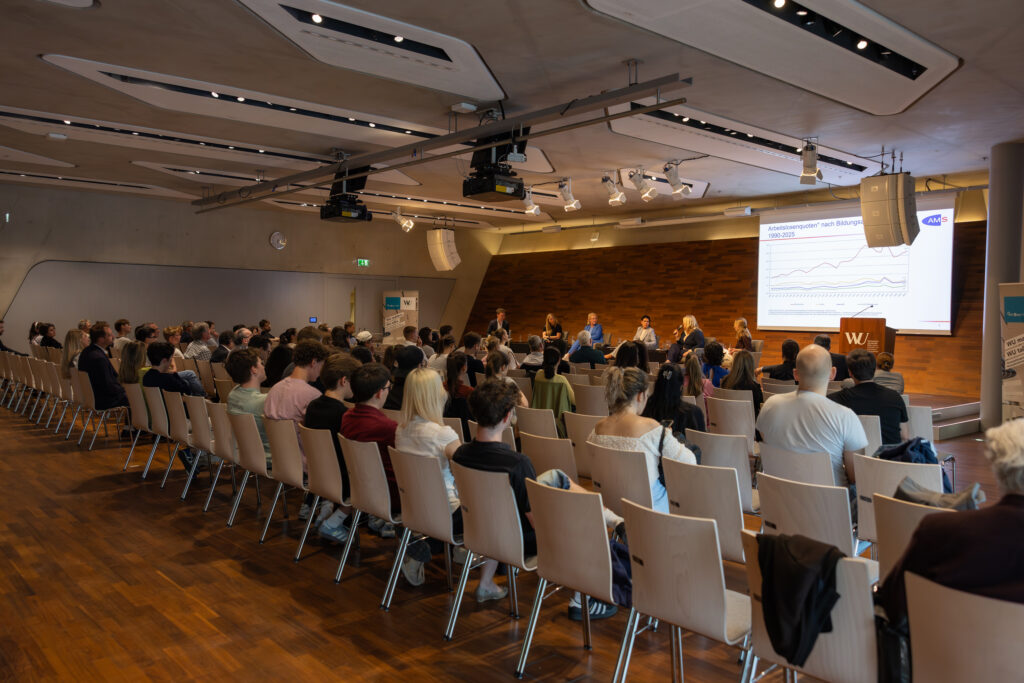
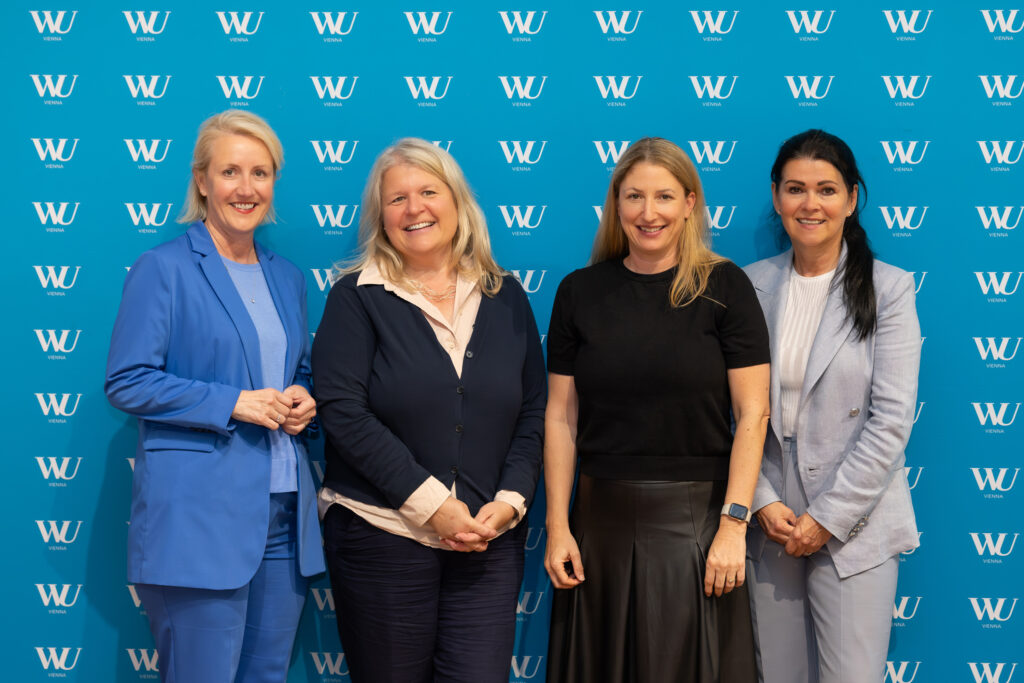
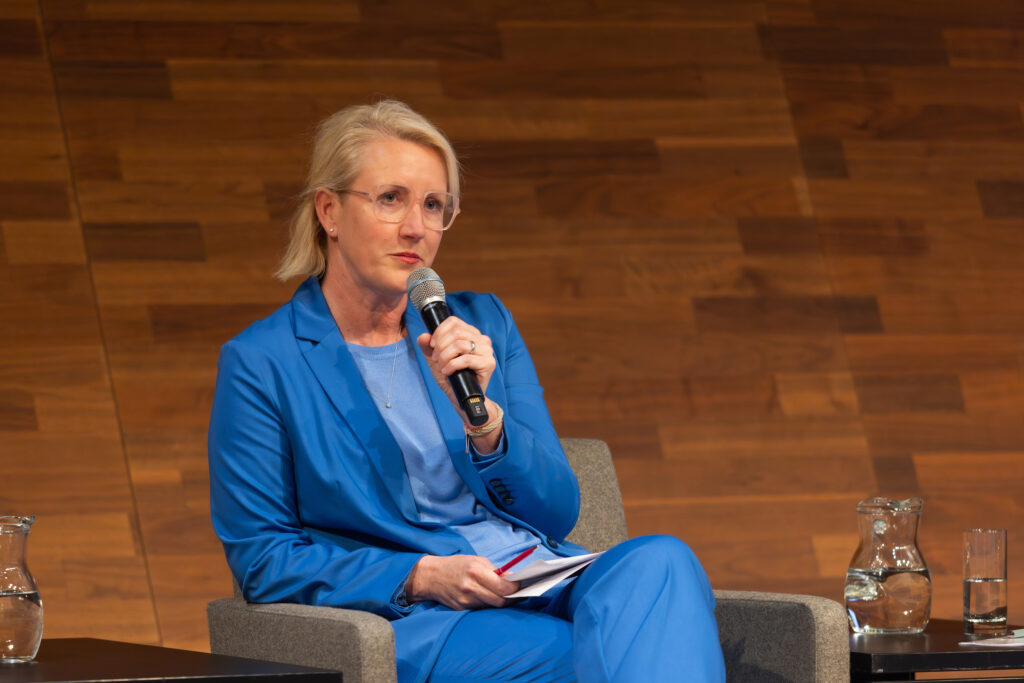
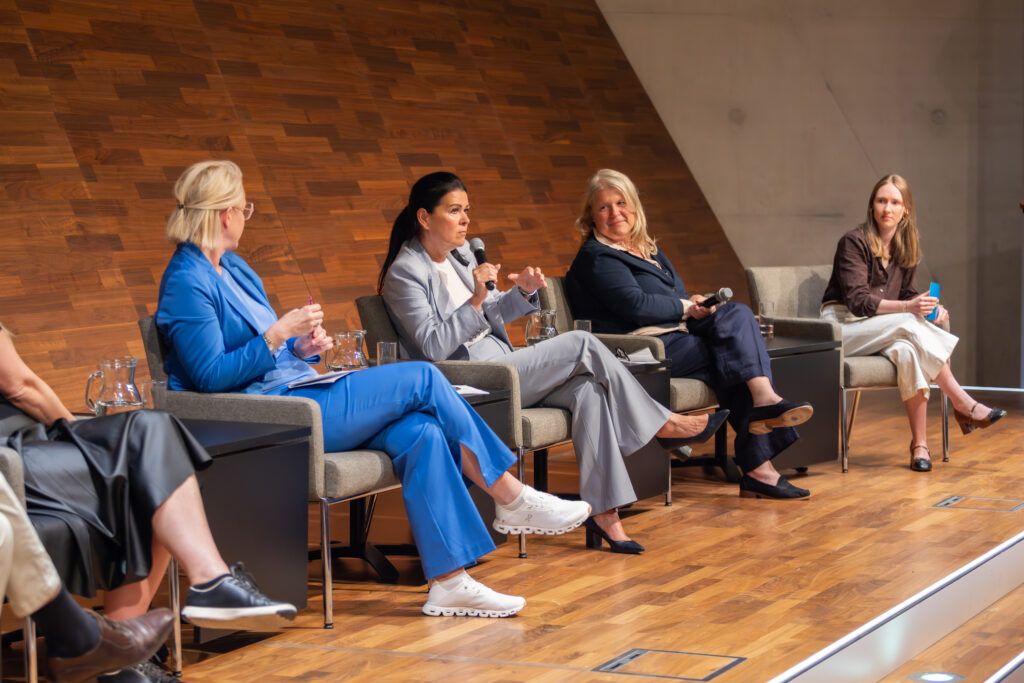
“It’s Time to Rethink Work” was the title of the latest “WU matters. WU talks.” event, which brought together experts to discuss the future of work. Ursula Axmann, Director of the WU ZBP Career Center; Isabella Grabner, Professor at the Institute of Management, WU Vienna; Dr. Christine Juen, Head of Communications at AMS Austria; and Rita Niedermayr, Partner for People Consulting at EY Austria, discussed which skills matter in the workplace, how AI fits into the picture, and what a university degree can – and cannot – contribute to this.
“Skills shortages” is a phrase we hear everywhere. At the same time, we’re seeing a tight job market. Anyone currently in college is surely familiar with this. While everyone says companies are looking for talent, students report lengthy application processes, canceled job openings, and constant uncertainty. This was precisely the focus of the latest WU matters. WU talks.
“A master’s degree is definitely a good idea […] but it’s no guarantee of a successful career for life.” (Ursula Axmann, WU ZBP Career Center)
An entry ticket, not a guarantee
All four experts agreed on one thing: A master’s degree opens doors, but you have to walk through them yourself. The numbers show that, according to the AMS, the unemployment rate among college graduates remains stable at around 3%—a huge difference compared to the 22% rate for those with only a high school diploma. Nevertheless, today’s graduates must stand out from the crowd. Whereas a college degree used to be a unique selling point, today it is more of a basic requirement. The numbers clearly show: In the 1990s, there were around 13,500 college graduates per year in Austria; in 2022/23, the number was nearly 60,000.
Who will fill entry-level jobs? People or AI?
If AI increasingly takes over routine, analytical, and research tasks, what will be left for new graduates? A survey of companies conducted by the WU Career Center shows that 25% of companies reported that AI is already influencing their hiring practices—but the vast majority cite the poor economic situation as the main reason. “This isn’t just an Austrian phenomenon,” says Axmann, “it’s happening all across Europe and even in the U.S.” At the same time, Rita Niedermayr observes a clear trend: entry-level jobs are becoming more demanding. Employees must become productive much more quickly, deliver quality sooner, and navigate a steep learning curve rapidly.
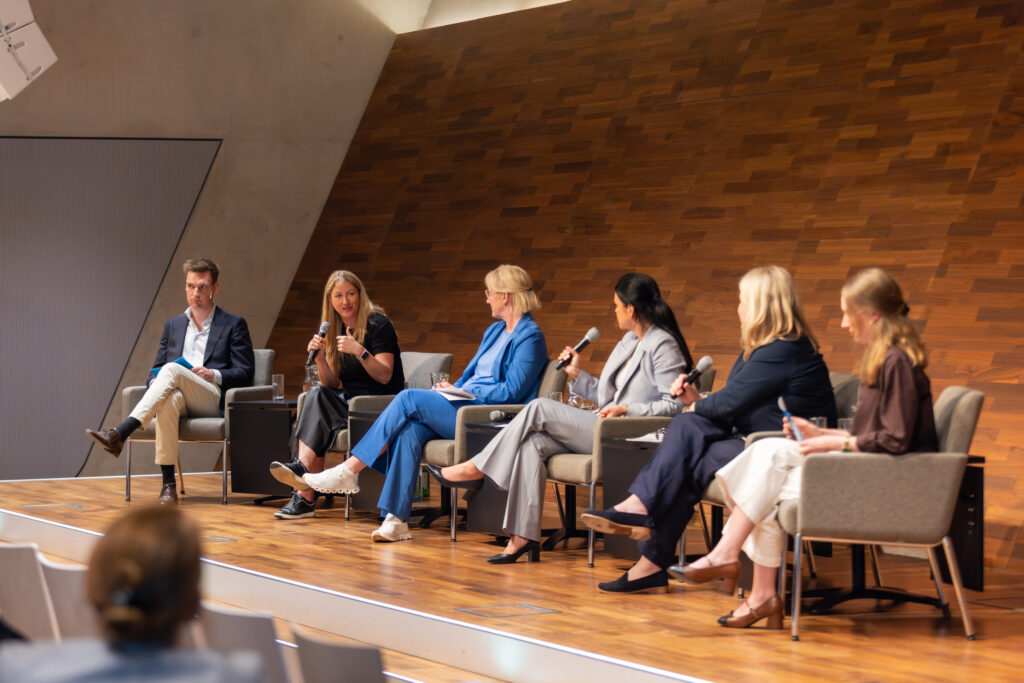
“We don’t want copy-paste answers; we want natural, self-assured young people” (Christine Juen)
What if five applicants give the exact same answer?
During a round of interviews in Christine Juen’s department, five out of eight applicants gave identical, word-for-word answers to a question (obviously generated by AI). The panel concluded that only those who are able to come across as authentic and confident—and demonstrate that they have thought the matter through—will stand out. “We don’t want copy-paste answers; we want natural, self-assured young people,” said Juen.
What tips can you take away from this?
- Lifelong Learning
As the name suggests, (lifelong) learning doesn’t stop after graduation. Anyone who works until age 65 or 70 needs periodic periods of renewal along the way to reinvent themselves. This isn’t about simply checking off compliance training courses. The WU Executive Academy supports you on this very journey even after graduation. - Taking Ownership
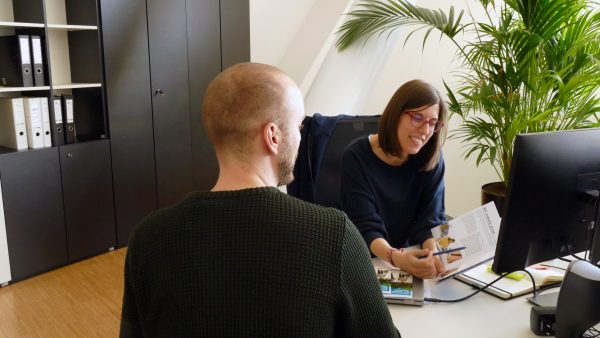
How do I position myself in the job market? How do I reinvent myself? The ZBP Career Center offers free counseling sessions to help you identify your unique selling proposition (USP) and shape your career entry. The WU Center of Excellence and the WU Impact Community show that students who take ownership in their first year are the ones leading panel discussions like this one three years later. - Enjoy life
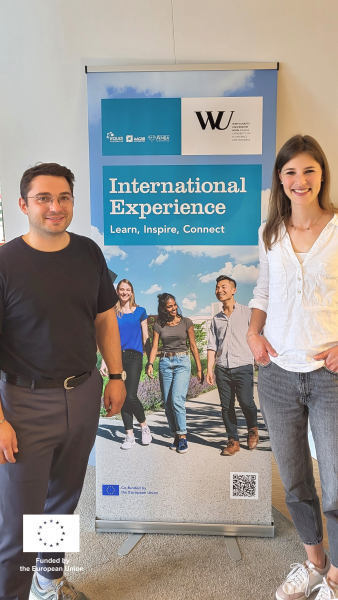
Opportunities are available even without a big budget—the WU International Office can help. Engage.EU, for example, offers a 14-day program with students from nine countries (with a scholarship). And for those who can’t afford a semester abroad: there’s EURES, EU internships, and many other options. - Listen to your gut
WU Professor Isabella Grabner offered a personal tip: plan less and listen more to your gut. Students should stop doing things just because they look good on a resume, but rather because they’re a good fit for them.
Curious? Check out the entire discussion here:
Even better? Just come to the next event and join the conversation!
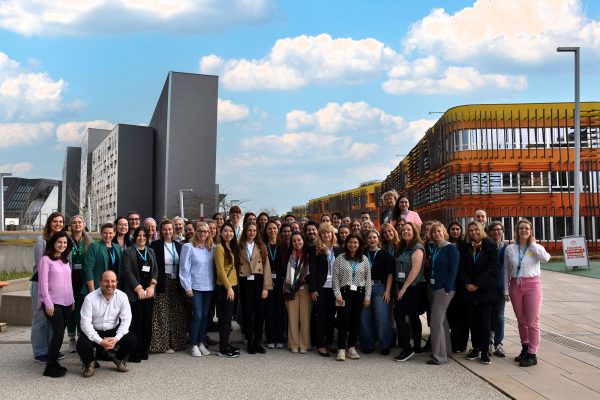
In the regular “WU matters. WU talks.” panel discussions, forums, and lectures, researchers and experts from the business and institutional sectors share their expertise and discuss current topics with the interested public. Sign up for the newsletter here so you never miss out on the latest topics!
In the next WU matters. WU talks.: So, How Much Do You Make?
The gender pay gap remains an issue – even though pay discrimination has been illegal for decades. This raises the question: Is salary a taboo subject, or should everyone on the team know what others earn? And how can this transparency help us move toward fairness?
- 13th of May
- 6pm
- LC Ceremonial hall 1 1 & Livestream
Discussion:
Susanne Auer-Mayer, Full Professor, Head of the Institute for Austrian and European Labor Law and Social Security Law, WU Vienna
Sieglinde Gahleitner, Honorary Professor, Member of the Austrian Constitutional Court, Lawyer, Austrian Constitutional Court/Gahleitner attorneys
Rolf Gleißner, Head of the Social and Health Policy Division, Austrian Economic Chamber
Romana Wochner, Women and Gender Equality Policy, Vienna Chamber of Labor
Moderated by:
Christoph Kietaibl, Full Professor, Deputy Head of the Institute for Austrian and European Labor Law and Social Security Law, WU Vienna