
Research Institute for Migration and Refugee Research and -Management
New Institute for Migration and Refugee Research and Management established at WU
Dropping asylum application numbers, an increasingly heated political discourse, and the introduction of a new European migration package make one thing clear: Migration and refugee issues remain among the most pressing social challenges of our time. Too often, emotional debates overshadow empirical evidence, while rigorous scientific analyses face pushback in politics and the media.
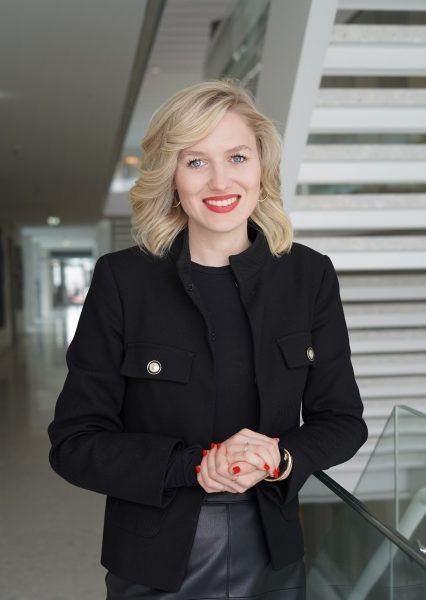
Against this backdrop, the Research Institute for Refugee and Migration Research and Management (FORM) was founded in June 2025, under the leadership of Judith Kohlenberger. Its mission is to bring objectivity to public migration debates through high-quality, independent research and to provide evidence-based foundations for political and societal decision-making.
What FORM does, and why it matters
FORM tackles current questions surrounding migration and refugee issues, analyzes complex social discourses, and fosters evidence-based dialogue among policymakers, businesses, civil society, and public administration. The institute positions itself as a scientific research hub with a strong commitment to human rights, fundamental freedoms, and civil liberties.
Rather than glossing over or sensationalizing developments, FORM identifies structural gaps and problematic trends, while examining how migration contributes to the transformation of work and everyday life. Research, teaching, and outreach are integrated at FORM to capture social diversity analytically and provide actionable insights.
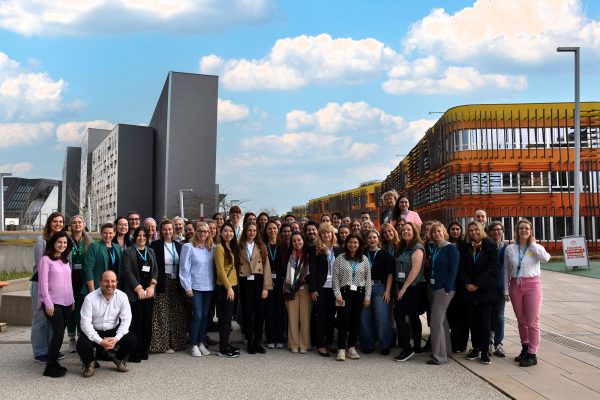
FORM’s work is rooted in an interdisciplinary approach: Twenty researchers from sociology, economics, law, intercultural communication, and management studies collaborate on projects that view migration as a cross-cutting issue shaping social, economic, and political developments. Gabriel Felbermayr (Department of Economics) studies the dynamics of international labor migration, Sigrid Stagl (Department of Socioeconomics) explores the links between climate change and migration flows, and Katharina Miko-Schefzig, deputy director of FORM, analyzes security policy discourses in the public sphere.
Research with impact: From findings to practice
A study comparing the sociodemographic profiles of Ukrainian refugees in Austria, Czechia, and Slovakia reveals that the reception context plays a decisive role in integration processes. Refugees in these three host countries differ not only in their attitudes toward gender roles, democracy, and international institutions but also in their socioeconomic backgrounds and levels of education.
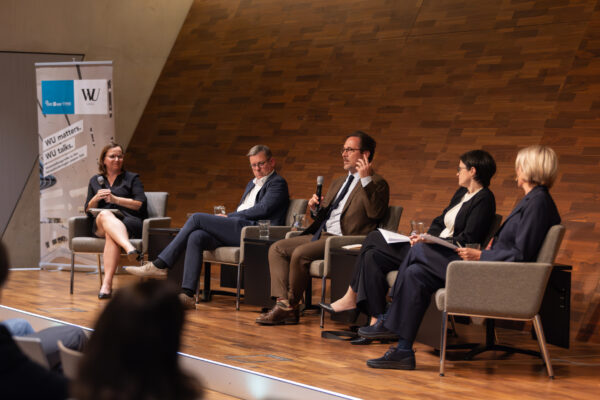
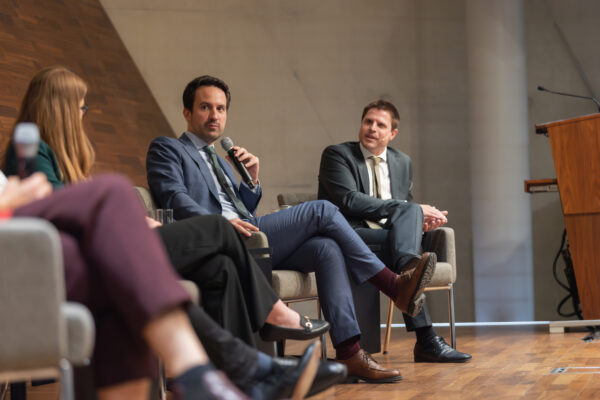
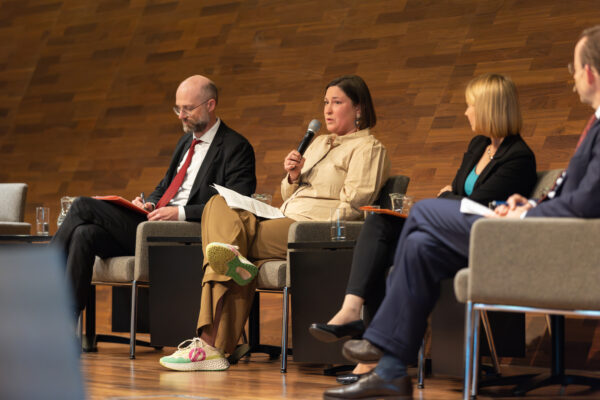
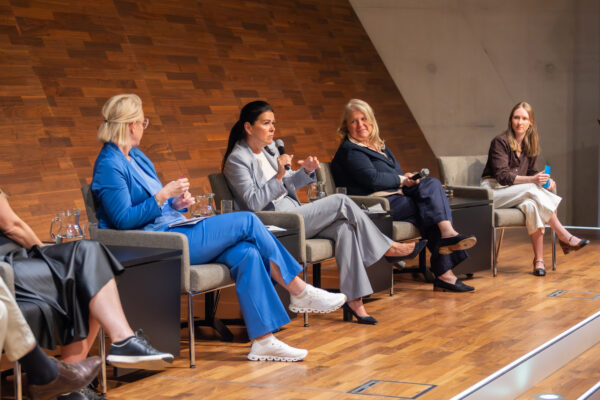
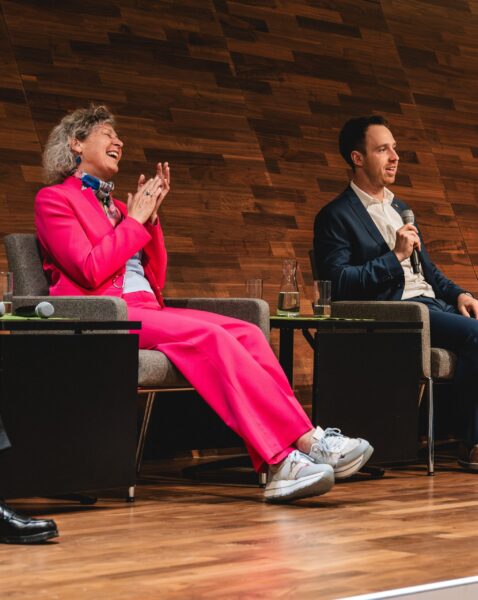
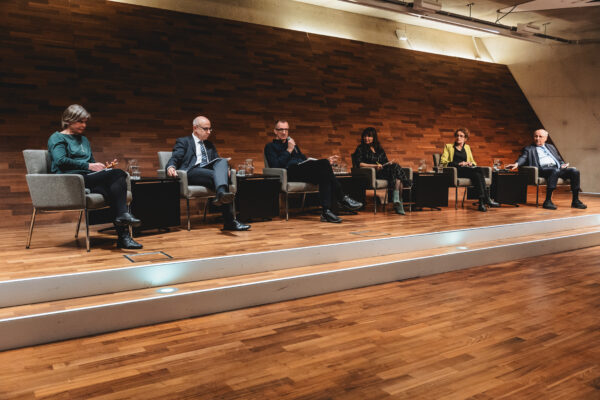
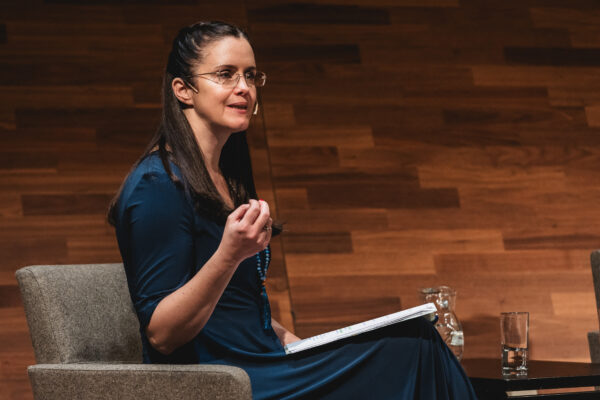
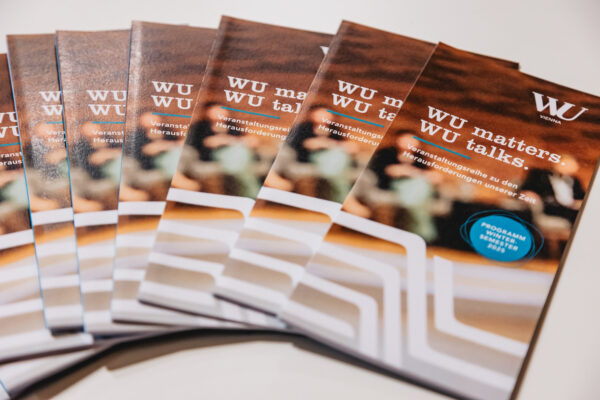
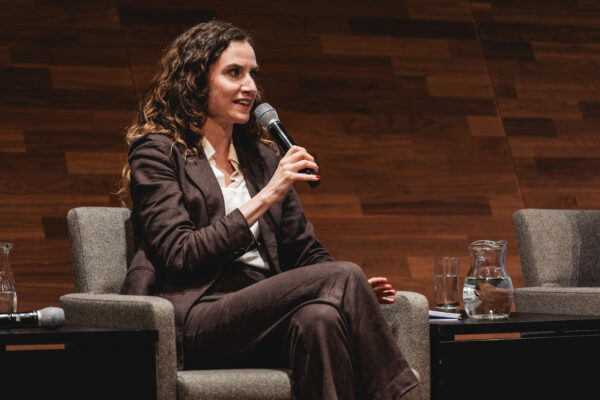
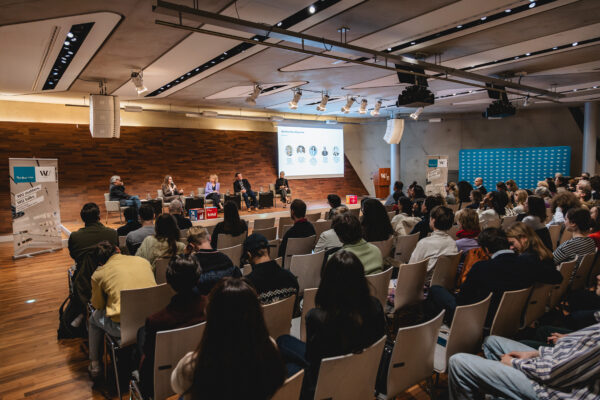
Overall, the higher their level of formal education and thus their financial resources, the further west Ukrainians fled from Russia’s war of aggression. These and other insights from migration and refugee research were discussed on November 19 as part of the WU matters. WU talks. series in an event entitled “Mythbusting Migration.” Following a keynote by Milda Žilinskaitė, a FORM researcher investigating workplace integration and sustainability, panelists Jesús Crespo Cuaresma (WU), Jason Gagnon (Global Migration Data Analysis Centre), Aida Hajro (University of Leeds), and Judith Kohlenberger explored key questions in migration research: Are we truly living in an era of mass migration? What role will climate change play in future mobility patterns? And why is there such a gap between statistical reality and public perceptions? Read the report and watch the discussion here.
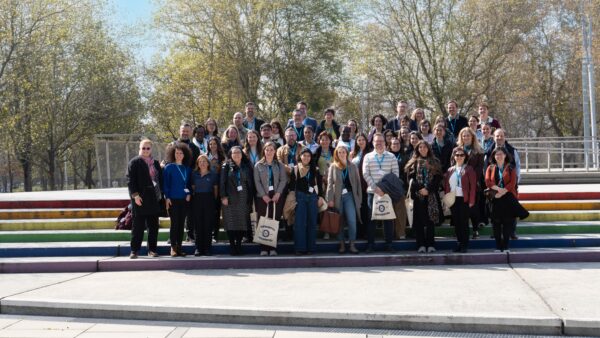
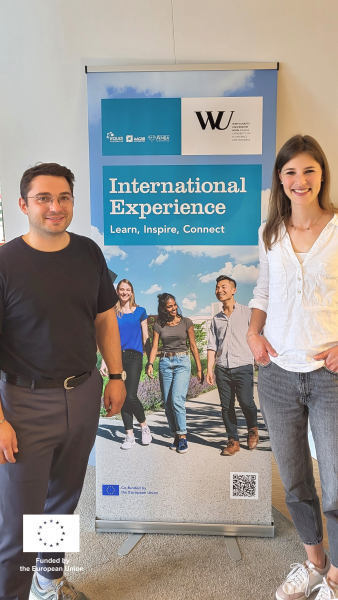
 The ENGAGE.EU Expedition Week in September 2025 took a hands-on approach: 30 students from seven European universities spent a week tackling real policy challenges related to forced migration. With support from UNHCR Austria, Caritas Austria, and the Counseling Center for Migrants, they developed apps, gamification concepts, and policy interventions – a format that has proven highly effective in bringing together research, teaching, and hands-on practice.
Translating knowledge into practice is part of FORM’s core mission. Its researchers work closely with government agencies, the interest groups that form Austria’s system of social partnership, and civil society organizations, including the Federation of Austrian Industries, the Federal Agency for Reception and Support Services (BBU), Asylkoordination Österreich, and Integrationshaus. Team members serve on advisory boards and provide scientific evidence to inform political decision-making. FORM also prioritizes broad science communication, for example with the podcast Aufnahmebereit, where Judith Kohlenberger engages with guests from the worlds of science, politics, and civil society every two weeks.
Putting the migration debate on a new footing
Migration will continue to shape both Austria and Europe – demographically, economically, and socially. The key question is not whether people will continue to migrate but how migration can be managed politically, institutionally, and socially. Populist narratives offer simplistic answers, but sustainable solutions demand nuanced analysis and scientific evidence.
This is where FORM comes in, conducting research that debunks myths, identifies policy options and promoting the use of language that is factual, respectful, and precise.
At a time when scientific expertise is increasingly coming under pressure, FORM makes a vital contribution to a fact-based public debate. An evidence-driven migration discourse is possible, and FORM is working to make it a reality.
Further information: www.wu.ac.at/form